GG HEALTH AND SAFETY CONSULTING
  • Home
    • About Us
    • Safety Consulting >
      • WorkSafeBC Compliance Consulting
      • Safety Management Systems Consulting
  • Safety Manuals
    • Large Employer Safety Program Manual
    • Small Employer Safety Program Manual
    • Manual Conversions & Upgrades >
      • Safety Program Audits
    • Certificate of Recognition COR Preperation
  • TEMPLATES
    • Construction Safety Program Template BC
    • General Industry Safety Program Template BC
    • Human Resources Policies and Procedures Template BC
    • Site Specific Safety Plan Template
    • Joint Health and Safety Committee Procedures Template BC
    • Food Safety Plan Template BC
    • Silica Exposure Control Plan Template BC
    • Lead Exposure Control Plan Template BC
    • Asbestos Exposure Control Plan Template BC
  • ONLINE SAFETY TRAINING
    • Online Joint Health and Safety Committee Training BC
    • Online Bullying and Harassment Training
    • Online Traffic Control (Low Risk) Training
    • Online Aerial Lift Operator Training
    • Online Scissor Lift Operator Training
    • Online Forklift Operator Training
    • Online Confined Space Training
    • Online Fall Protection Training
    • Online Fire Extinguisher Training
    • Online Supervisor Due Diligence Training
    • Online Ladder Safety Training
    • Online WHMIS 2015 Training
    • Online TDG Road Training
    • Online Lock Out Tag Out Training
    • Online Bloodborne Pathogens Training
    • Online Sharps Disposal Training
    • Online Incident Investigations Training
    • Online Workplace Inspections Training
    • Online Workplace Violence Training
    • Online Sexual Harassment Training
  • Classroom Safety Training
    • Joint Health and Safety Committee Training BC >
      • WorkSafeBC Joint Health and Safety Committee Training BC
      • WorkSafeBC JHSC Online Training Course BC
      • WorkSafeBC JOSH JOHSC Committee Training Course BC
      • WorkSafeBC JHSC Fundamentals Training Course
    • Bullying and Harassment Training BC
    • Confined Space Entry Training
    • Fall Protection Training
    • Man-lift Certification (Aerial Work Platform Training)
    • Scissor-lift Certification (Aerial Work Platform Training)
    • Fork-lift Certification (Lift Truck Certification)
    • Supervisor Responsibilities and Due Diligence Training
    • Lock Out Tag Out Training
    • WHMIS 2015 (GHS) Training
    • Ladder Safety Training
    • Safe Sharps Disposal Training
    • Accident Incident Investigation Training
    • Workplace Safety Inspections Training
  • Contact Us
    • Frequently Asked Questions
    • FAQ'S Online Training
    • FAQ's JHSC Training
    • FAQ'S Safety Manual Templates
    • WEBEX Safety Training
    • WorkSafeBC Regulation Amendments
    • Safety Blog

11/11/2017

WHAT OHS PROGRAMS NEED TO BE INCLUDED IN YOUR HEALTH AND SAFETY PROGRAM IN BC?

0 Comments

Read Now
 
​The different types of health and safety policies and procedures which need to be included in your OHS program depends upon the nature of your work, the hazard rating of your industry and how large your organization is. However, WorkSafeBC does state that your Occupational health and Safety Program in BC needs to be designed a certain way as per the OHSR Regulations. 

​According to the Workers Compensation Act and the Occupational Health and Safety Regulation, it’s the employer’s responsibility to implement an occupational health and safety (OHS) program to prevent employee workplace injury and disease. OHS programs in British Columbia must meet certain safety standards. The employer must exercise due diligence in taking steps to meet those standards.

You must have a 'formal' health and safety program if you have either a workforce of 20 or more workers and at least one workplace where there is a moderate or high risk of injury and when you have a workforce of 50 or more workers. Small businesses or employers with fewer than 20 workers need a health and safety program too. These programs can be simpler. We refer to them as "informal" health and safety programs. 

​Health and safety programs are aimed at ensuring workers are protected, risks are minimized, and a healthy and safe workplace is maintained. All employers must establish some form of health and safety program at the workplace. The type of program you need depends on the number of workers you have and the risks associated with their work. Though every workplace and every occupational health and safety (OHS) program are different, there are some key elements common to all programs.

​
Our professional and certified Health and Safety Consultants are able to develop your small or large business a complete written occupational health and safety program specific to your companies operations, specific to your industry and which will meet with all WorkSafeBC legislative requirements

WorkSafeBC OHSR Section 3.3 - Contents of Program

The occupational health and safety program must be designed to prevent injuries and occupational diseases, and without limiting the generality of the foregoing, the program must include:
(a) a statement of the employer's aims and the responsibilities of the employer, supervisors and workers,
(b) provision for the regular inspection of premises, equipment, work methods and work practices, at appropriate intervals, to ensure that prompt action is undertaken to correct any hazardous conditions found,
(c) appropriate written instructions, available for reference by all workers, to supplement this Occupational Health and Safety Regulation,
(d) provision for holding periodic management meetings for the purpose of reviewing health and safety activities and incident trends, and for the determination of necessary courses of action,
(e) provision for the prompt investigation of incidents to determine the action necessary to prevent their recurrence,
(f) the maintenance of records and statistics, including reports of inspections and incident investigations, with provision for making this information available to the joint committee or worker health and safety representative, as applicable and, upon request, to an officer, the union representing the workers at the workplace or, if there is no union, the workers at the workplace, and
(g) provision by the employer for the instruction and supervision of workers in the safe performance of their work.
​

Learn more on how GG Health and Safety Consulting can assist your company in developing your own Occupational Health and Safety Program.

Share

0 Comments

10/6/2017

gg health safety consulting & health and safety consultant vancouver bc

0 Comments

Read Now
 
GG Health and Safety Consulting is a professional occupational health and safety consulting service company in BC British Columbia. GG Health and Safety Consulting’s occupational health and safety consultants, safety consultants and OHS consultants offer a wide variety of health and safety consulting services to clients across BC British Columbia, Vancouver BC, Surrey BC, Langley BC, Burnaby BC, Richmond BC, Delta BC and Victoria, BC; such as:

Health and Safety Consulting Services
Health and Safety Programs Development
Health and Safety Audits (COR)
Health and Safety Workplace Inspections
WorkSafeBC and Safe Work BC Compliance
Prime Contractor Responsibilities
 
GG Health and Safety Consulting offers wide variety of safety training BC and safety certification courses BC across BC British Columbia in the following areas, Vancouver BC, Surrey BC, Langley BC, Burnaby BC, Richmond BC, Delta BC and Victoria, BC:
 
Fork Lift Truck Training BC
Asbestos Awareness Training BC
Accident Investigations BC
Man Lift Boom Lift Training BC
WHMIS 2015 GHS Training BC
Workplace Safety Inspections Training BC
Scissor Lift Training BC
Ladder Safety Training BC
Supervisor Responsibilities Due Diligence Training BC
Fall Protection Training BC
Safe Sharps Disposal Training BC
Violence in the Workplace Training in BC
Confined Space Entry Training BC
Joint Health and Safety Committee Training BC
Transportation of Dangerous Goods (TDG) Training BC
Lock Out Tag Out Training BC
New Employee Safety Orientations Training BC
 
Contact us for more information on our occupational health and safety consulting services, OHS safety consulting, OHS safety consultants, OHS safety audits, OHS safety inspections, OHS safety program development, worksafebc safe work BC compliance in BC British Columbia, Vancouver BC, Surrey BC, Langley BC, Burnaby BC, Richmond BC, Delta BC and Victoria, BC.
 
Vancouver Lower Mainland, BC: (778) 316-6440
Victoria Vancouver Island, BC: (250) 999-9380
Email: [email protected]

Share

0 Comments

9/10/2017

prime contractors in bc

0 Comments

Read Now
 
​Misunderstandings start when there’s no written, signed agreement about safety roles and responsibilities between the owner and prime contractor in BC. Verbal understandings or assumptions made by either the owner or prime contractor can, at best, cause confusion. The prime contractor may assume responsibility for the site’s health and safety program when, in fact, the owner has retained this responsibility. In the worst-case scenario, safety is compromised and workers’ lives are put at risk when prime contractors don’t understand the extent of their health and safety responsibilities. All of this can be avoided by adding an appendix or schedule clause to the contract of work that specifies health and safety duties appointed by the owner to the prime contractor. Without this written agreement, the owner retains responsibility.

IDENTIFY, CORRECT AND ADDRESS HEALTH AND SAFETY HAZARDS

Overall, the prime contractor is responsible for identifying and addressing hazards and establishing a comprehensive system of corrective action — from young worker orientation to fall protection programs. The prime contractor is also responsible for having systems in place to ensure two-way communication with subcontractors. Where hazards are specific to the work of a particular subcontractor, however, that contractor is responsible for eliminating or, if that’s not possible, minimizing the risk to workers. Subcontractors should also notify the prime contractor in advance of any work that is likely to create a hazard for a worker or another subcontractor. In the end, it is still the prime contractor’s responsibility to ensure all corrective action is taken and that regular inspections are made to prevent the development of unsafe practices or conditions.

COMMUNICATE AND COORDINATE WITH SUBCONTRACTORS

Subcontractors have a health and safety role to play in a multiple employer workplace, but the prime contractor must communicate and coordinate with subcontractors in the following ways: • Receiving from each subcontractor on site the names of the qualifi ed persons designated to 1) supervise their workers and 2) be responsible for the subcontractor’s site health and safety activities • Ensuring subcontractors notify the prime contractor in advance of any undertaking likely to create a hazard for a worker of another subcontractor • Communicating any known hazards to all affected subcontractors and workers • Attending site meetings with subcontractors to coordinate safety and ensure compliance with the Workers Compensation Act and the Occupational Health and Safety Regulation.


ASSIGN A QUALIFIED HEALTH AND SAFETY COORDINATOR

When responsible for health and safety a multiple employer workplace, coordination is essential. While the prime contractor is still responsible for many specific outcomes in a multiple employer workplace, the coordination begins by assigning a qualified health and safety lead who, among other things, is responsible for: • Identifying and setting expectations for each subcontractor’s safety contact • Coordinating all safety-related activities, from site orientations to safety committee meetings and tool box talks, to inspections and incident reviews • Informing employers and workers of the hazards created in the workplace • Ensuring that the hazards are addressed throughout the duration of the work activities.

ESTABLISH AN EMERGENCY RESPONSE PLAN

The prime contractor is responsible for the site’s emergency response plan and for communicating it to all workers. This plan should take into account the number of people onsite, the people who work outside regular hours, and the types of emergencies that may arise. The plan should also describe subcontractor and individual worker responsibilities (e.g., responding to a fire) and provide for any necessary training and equipment, including first aid supplies. As work processes change over the course of the project, the emergency response plan needs to be updated. 

MAINTAIN ACCURATE HEALTH AND SAFETY RECORDS


Fulfilling your responsibility is one thing. Proving it is another. That’s why keeping accurate records and notes is a must. Documentation demonstrating the coordination of safety-related activities and a system to ensure compliance with the Act and Regulation may include: • Notes from the initial site safety meetings • Safety committee meeting minutes • Reviews of contractors’ safety systems • Inspection and incident investigation reports • First aid records • Documentation of orientation and training (especially for young and new workers, see Regulation 3.23–25)


GG Health and Safety Consulting in BC has been providing Health and Safety Training, OHS Health and Safety Consulting Services, OHS Safety Audits, OHS Safety Inspections, OHS Safety Programs in BC since 2002:


SERVING VICTORIA BC (VANCOUVER ISLAND), VANCOUVER BC, NORTH VANCOUVER BC, WEST VANCOUVER BC, BURNABY BC, NEW WESTMINSTER BC, RICHMOND BC, SURREY BC, LANGLEY BC, FORT LANGLEY BC, MAPLE RIDGE BC, COQUITLAM BC, PORT COQUITLAM BC, PORT MOODY BC, PITT MEADOWS BC, MISSION BC & ABBOTSFORD BC

Share

0 Comments

6/25/2017

due diligence in bc

0 Comments

Read Now
 
Due diligence
Due diligence in BC requires taking all reasonable steps to protect workers from harm. 'All reasonable steps' is based on the level of judgment and care that a person would reasonably be expected to do under the circumstances. An organization that actively manages health and safety and takes all reasonable steps to protect workers from harm is being duly diligent.
Due diligence requires that you:
  • Identify all workplace hazards
  • Implement all necessary preventive measures
  • Communicate appropriately to all necessary personnel

​Steps to being duly diligent
  1. 1
    Be awareIgnorance is no defence, so know your legal obligations under the Workers Compensation Act and the Occupational Health and Safety Regulation, your health and safety responsibilities, and best practices for your industry.

    Be objective
    Identify issues for your workplace through risk assessments, using appropriately knowledgeable people. Consider using external professionals for certain aspects of this analysis. Review your incidents and trends, inspections, audit findings, program evaluations, and input from workers.

  2. Be proactive
    Develop a robust health and safety program that includes policies, procedures, and practices to minimize risk from specific hazards. Communicate these policies, procedures, and practices and ensure all workers are trained on them. Check to make sure procedures are being followed, and enforce compliance with the Regulation as well as your own internal policies and procedures.
    An active health and safety management approach — one that demonstrates due diligence — ensures that workers are provided with valuable health and safety information, instruction, training, and supervision. It also confirms when knowledge and processes are working, and corrects for unsafe hazards and practices that are not.

    Be vigilant
    Review your systems and processes frequently through self-evaluations. Continuously assess health and safety in the workplace. Monitor changes in regulation and industry practices and apply changes to your own operations as necessary.

    Be on record
    Gather evidence of your health and safety program and all its components. Be able to demonstrate how you are implementing your health and safety policies, procedures, and practices and to provide proof of enforcement when necessary. Be able to demonstrate that appropriate checks and reviews are in place to ensure continued vigilance. The Due Diligence Checklist can help you understand the records and documentation needed to demonstrate an effective health and safety program.
GG Health & Safety Consulting Has Been Providing Clients Across BC With Occupational Health and Safety Consulting, OHS Safety Programs, OHS Safety Audits, OHS Safety Inspections and Safety Training Certification Courses since 2002:


VANCOUVER, BC
NORTH VANCOUVER, BC
WEST VANCOUVER, BC

Share

0 Comments

6/22/2017

health and safety consultants and safety management systems in bc

1 Comment

Read Now
 
Active Health & Safety Management

Active health and safety management in BC is an essential first step toward improving your organization's health and safety culture. There are two aspects of managing health and safety performance for continual improvement:
  1. Managing an effective health and safety program
  2. Developing and implementing initiatives for improving health and safety in your workplace

An active health and safety management approach encompasses the health and safety program approach and builds upon it.

Standards for Active Health & Safety Management

The two aspects of actively managing health and safety, mentioned above, are combined in the framework of occupational health and safety management system (OHSMS) canadian standards such as CSA Z1000-14.
OHSMS standards outline the principles and processes to follow for continual health and safety improvement. OHSMS standards can be applied to any industry. They do not make reference to specific hazards, but they indicate the need for specific health and safety processes and proactive management processes.
Within these standards are components of an effective health and safety program, including:
  • Comprehensive site risk assessments
  • Compliance evaluations
  • Workplace inspections
  • Incident investigations
  • Legal requirement reviews
  • Worker consultation processes
These standards also provide guidance for active health and safety management processes, which must include these components:
  • Leadership and commitment
  • Robust annual health and safety planning
  • Measurement and tracking of goals and objectives
  • Ongoing organization-wide self evaluations

​Adopting an OHSMS standard for your organization is voluntary, but it is very beneficial. Using these standards of active health and safety management can steer you towards best practice. Actively managing health and safety is a key step to improving your organization's health and safety culture.

​GG Health and Safety Consulting in BC has been providing Health and Safety Training, OHS Health and Safety Consulting Services, OHS Safety Audits, OHS Safety Inspections, OHS Safety Programs in BC since 2002:

SERVING VICTORIA BC (VANCOUVER ISLAND), VANCOUVER BC, NORTH VANCOUVER BC, WEST VANCOUVER BC, BURNABY BC, NEW WESTMINSTER BC, RICHMOND BC, SURREY BC, LANGLEY BC, FORT LANGLEY BC, MAPLE RIDGE BC, COQUITLAM BC, PORT COQUITLAM BC, PORT MOODY BC, PITT MEADOWS BC, MISSION BC & ABBOTSFORD BC

Share

1 Comment

6/22/2017

health and safety consulting and ohs safety programs in bc

1 Comment

Read Now
 
According to the Workers Compensation Act and the Occupational Health and Safety Regulation in BC, it’s the employer’s responsibility to implement an occupational health and safety (OHS) program to prevent employee workplace injury and disease. OHS programs in British Columbia BC must meet certain safety standards. The employer must exercise due diligence in taking steps to meet those standards.

You must have a 'formal' health and safety program if you have either a workforce of 20 or more workers and at least one workplace where there is a moderate or high risk of injury and when you have a workforce of 50 or more workers. Small businesses or employers with fewer than 20 workers need a health and safety program too. These programs can be simpler. We refer to them as "informal" health and safety programs. 

​Health and safety programs in BC are aimed at ensuring workers are protected, risks are minimized, and a healthy and safe workplace is maintained. All employers must establish some form of health and safety program at the workplace. The type of program you need depends on the number of workers you have and the risks associated with their work. Though every workplace and every occupational health and safety (OHS) program are different, there are some key elements common to all programs.

GG Health and Safety Consulting has been providing clients with professional occupational health and safety consulting services, ohs safety audits, ohs safety inspections, WorkSafeBC Compliance and ohs safety training courses in:

​VICTORIA BC, VANCOUVER ISLAND BC, VANCOUVER BC, NORTH VANCOUVER BC, WEST VANCOUVER BC, BURNABY BC, NEW WESTMINSTER BC, RICHMOND BC, SURREY BC, DELTA BC, LANGLEY BC, FORT LANGLEY BC, MAPLE RIDGE BC, COQUITLAM BC, PORT COQUITLAM BC, PORT MOODY BC, PITT MEADOWS BC, ABBOTSFORD BC and MISSION BC. ​
Share

1 Comment

6/18/2017

fall protection training in bc

1 Comment

Read Now
 
Fall Protection Training Certification BC
​Fall Protection Training in BC

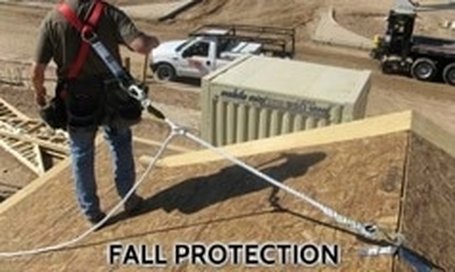
Falls from heights, even relatively low elevations, can result in serious injuries. The proper use of fall protection equipment — in addition to planning, supervision, and training — can reduce or eliminate the risk of falling. The Occupational Health and Safety Regulation in BC requires workers to use fall protection systems when they could fall from a height of 3 m (10 ft.) or more, or where a fall from a lesser height could result in serious injury. Employers in BC are required to ensure all their employees working at heights are adequately provided with certified fall protection training in BC.

Fall Protection Hierarchy

The fall protection hierarchy in BC must be used when choosing methods to eliminate or control fall hazards. The steps are listed in the order in which they should be considered.

  1. Guardrails: where fall hazards cannot be eliminated, permanent or temporary guardrails or handrails form a protective barrier around an opening or edge to prevent a fall to a lower level.
  2. Fall Restraint: After eliminating fall hazards and installing guardrails, a fall restraint system is the next level in the fall protection hierarchy.
    Fall restraint systems prevent you from falling through either travel restriction or work positioning. With travel restriction, workers are attached to a fixed-length line that prevents them from travelling to close to an opening or edge.
  3. Fall arrest: when it's not possible or practical to use a fall restraint system, the next line of protection is fall arrest.
    A fall arrest system (including a lanyard or lifeline, a harness, and, most importantly, an anchor) protects you after a fall by stopping you from hitting the surface below
  4. Work Procedures: If guardrails, fall restraint, or fall arrest are not practicable, or will result in greater risk of injury, contact the Prevention Information Line to discuss alternative safe work procedures that are acceptable to WorkSafeBC.

​GG Health and Safety Consulting has been providing Fall Protection Training in BC since 2002:


SERVING VICTORIA BC (VANCOUVER ISLAND), VANCOUVER BC, NORTH VANCOUVER BC, WEST VANCOUVER BC, BURNABY BC, NEW WESTMINSTER BC, RICHMOND BC, SURREY BC, LANGLEY BC, FORT LANGLEY BC, MAPLE RIDGE BC, COQUITLAM BC, PORT COQUITLAM BC, PORT MOODY BC, PITT MEADOWS BC, MISSION BC & ABBOTSFORD BC

Share

1 Comment

6/13/2017

health and safety employer responsibilities in bc

0 Comments

Read Now
 

Employer’s Responsibilities 

Employers have both general and specific responsibilities related to hazard control and worker health and safety in BC. In carrying out these duties, management—from the chief executive officer through to the first-level supervisor—can demonstrate their commitment to health and safety in the workplace. 

General Responsibilities 

• Ensure the health and safety of the employer’s workers and other workers present at the workplace. • Establish occupational health and safety policies and an OHS program in BC. 
• Provide general direction to management, supervisors, and workers about their responsibilities and roles in providing a safe and healthy workplace. 
• Provide specific direction and delegate authority to those responsible for health and safety. 
• Consult and cooperate with individuals carrying out occupational health and safety duties (including joint committee members, worker health and safety representatives, and WorkSafeBC prevention officers). 
• Provide workers with the information, instruction, training, and supervision necessary to protect their health and safety. 
• Provide supervisors with the support and training necessary to carry out their health and safety responsibilities. 
• Provide and maintain protective equipment, devices, and clothing, and ensure that they are used. 
• Make a copy of the Workers Compensation Act and the Occupational Health and Safety Regulation readily available for review by workers.

Contact gg health and safety consulting for more information! 


For over 20 years, gg health and safety consulting has been providing clients with professional occupational health and safety consulting, ohs program development, safety audits and inspections,  and safety training services in:

​VICTORIA BC, VANCOUVER ISLAND BC, VANCOUVER BC, NORTH VANCOUVER BC, WEST VANCOUVER BC, BURNABY BC, NEW WESTMINSTER BC, RICHMOND BC, SURREY BC, DELTA BC, LANGLEY BC, FORT LANGLEY BC, MAPLE RIDGE BC, COQUITLAM BC, PORT COQUITLAM BC, PORT MOODY BC, PITT MEADOWS BC, ABBOTSFORD BC and MISSION BC. ​

Share

0 Comments

6/4/2017

workplace health and safety audits in bc

0 Comments

Read Now
 
WORKPLACE SAFETY AUDITS
Our team of experienced health and safety auditors (health and safety audits in BC) work with you and your employees to measure and assess your occupational health and safety program and provide clear guidance on how you can improve and streamline your safety processes. We use a formal document process that has been approved by WorkSafeBC (WCB).

OUR AUDITS
Safety Systems Audits
WorkSafeBC Compliance Audit – Provincial and Federal  Acts & OHSR Regulations
Providing Hazard Assessments and Workplace Safety Inspections


WHY ORGANIZATIONS RECEIVE AN AUDIT
It is part of their Continuous Improvement System towards safety excellence
It provides an independent and unbiased examination of their health and safety processes 
It will ensure good standing with WorkSafeBC OHSR and WCA Regulations and provide proof of Due Diligence
It is part of the ‘Safety Certification Training in BC' program

GG Health and Safety Consulting provides occupational health and safety consulting, health and safety training, site safety inspections, site safety audits and health and safety consultants in Vancouver BC, Surrey BC, Langley BC, Delta BC, Richmond BC, Burnaby BC, Victoria BC and Abbotsord BC.

Share

0 Comments

5/31/2017

workplace safety inspections in bc

0 Comments

Read Now
 
A comprehensive workplace safety inspection program in BC may include daily inspections of equipment, initial startup inspections, walk-arounds of mobile equipment before use, daily and/or weekly supervisor inspections, and weekly and/or monthly departmental inspections. In addition to regularly scheduled inspections, you need to inspect your workplace after an incident or when you have added a new work process or new equipment.

Conducting an inspection

During an inspection, identify unsafe conditions and activities that may cause injury or illness, so you can take corrective measures. 

Follow these guidelines:
  • Use a checklist to ensure that your inspection is thorough and consistent with previous inspections.
  • Ask yourself what hazards are associated with the job that you are observing or that would be performed in that work area.
  • Observe how workers perform tasks. Do they follow safe work procedures and use personal protective equipment as required?
  • Ask workers how they perform their tasks.
  • Talk to workers about what they're doing. Ask them about concerns they may have about health and safety.
  • Record any unsafe actions or conditions that you observe.
  • Consider tasks that the worker may also perform that you did not observe.

What to focus on

There are different ways to approach safety inspections. Looking at the components of your health and safety program will help. For example, you can focus on the most common tasks your workers perform or on specific issues addressed by your program, such as material handling, confined space entry, or workplace violence. You may wish to break up the worksite into specific segments with focused checklists to look at specific hazards and activities in each area.

Here are some examples of things to look for:
  • Uncorrected problems from the previous inspection report
  • Workers not following safe work procedures or procedures that aren’t correct
  • Improper storage of materials (for example, in front of emergency exits or electrical panels, or blocking aisles or stairs)
  • Accumulation of liquid or grease on floors
  • Failure to put a sign or barrier near wet floors
  • Lack of guarding on equipment
  • Lack of visibility through swinging doors
  • Poor maintenance of equipment
If your inspection reveals a problem, try to get to the root of it. For example, if you see a wet floor, ask why. Possible explanations could include a water leak, a job process that's creating the problem, or a lack of training on how to clean up the hazard. Fix it right the first time and the problem is less likely to occur.
For more information on conducting a safety inspection.

After the inspection

Follow these guidelines to address issues and conclude the inspection:
  • Remedy serious hazards or unsafe work practices immediately; this is a legal obligation. For example, if you find that a ladder has a loose or damaged rung, immediately remove the ladder from service and repair or replace it.
  • Prioritize other, less serious hazards and assign someone to remedy each one.
  • Follow up on any actions that will take time to complete (for example, purchasing new equipment).
  • Communicate inspection findings to workers.
  • Ensure that the safety committee has access to, and reviews, the inspection reports and process.

Share

0 Comments

5/28/2017

Safety Management Systems in BC

0 Comments

Read Now
 

OCCUPATIONAL HEALTH AND SAFETY MANAGEMENT SYSTEMS IN BC

An occupational health and safety (OHS) management system encompasses more than just your health and safety program. It includes health and safety policies, systems, standards, and records, and involves incorporating your health and safety activities and program into your other business processes. Having an effective management system improves your ability to continuously identify hazards and control risks in your workplace.

COMPONENTS OF AN EFFECTIVE OHS MANAGEMENT SYSTEM

These following elements are components of an effective OHS management system. The scope and complexity of the system may vary, depending on the size and hazards of your workplace and the nature of the work performed.

Management leadership and commitment
Leadership and commitment by senior management (the CEO or most senior management) provides the vision, establishes policy, sets goals, and provides resources to lead and support the implementation of your OHS management programs and system.

Safe work procedures and written instructions
Safe work procedures and practices ensure that everyone in the organization knows their responsibilities and can perform their duties effectively. There should be safe work procedures on an organizational level, such as how to conduct a risk assessment, as well as on a worker level, such as how to lock out properly.

Health and safety training and instruction
Everyone in the workplace, from senior management to frontline workers, needs to understand their responsibilities when it comes to implementing and maintaining a healthy and safe workplace. Senior management should understand their role in establishing policies and continually driving the OHS management system and programs. Employers must ensure that workers are trained, qualified, and competent to perform their tasks. Supervisors must provide adequate instruction and oversight to workers so they can safely perform their work. And workers need to work safely, according to how they were trained.

Identifying hazards and managing risk
Managing the risk in your workplace includes identifying hazards, assessing the risks those hazards present, and controlling the risks to prevent your workers from getting injured.

Inspection of premises, equipment, workplaces & work practices
Workplace inspections can help you to continually identify hazards and prevent unsafe working conditions from developing.

Investigation of incidents
Conducting incident investigations helps identify immediate, and root causes of unsafe conditions. It also identifies ways to prevent similar incidents from happening in the future. The Occupational Health and Safety Regulation has specific requirements for incident investigation documentation and reporting that employers are required to meet.

Program administration
Regularly assessing how well your organization is doing when it comes to meeting its health and safety goals is essential to improving your OHS management system. Maintaining accurate records of your OHS management system activities will provide useful information to help you continually improve.

Joint health and safety committee & representatives
Joint health and safety committees and health and safety representatives assist the organization by bringing together employers and workers to jointly identify and resolve health and safety issues in your workplace. They also participate in developing and implementing your OHS management system.

Occupational health and safety programs

​Occupational health and safety programs are an essential part of your OHS management system.

System audit
The COR auditor reviews key aspects of your OHS management system to ensure that its quality and effectiveness meet the expectations of the COR program standards and guidelines. This helps maintain the credibility and value of COR certifications.

Share

0 Comments

5/27/2017

SAFETY PROGRAMS IN BC

2 Comments

Read Now
 
​WHAT AN EFFECTIVE HEALTH AND SAFETY PROGRAM IN BC LOOKS LIKE

An effective program will:
  • Identify and control hazards in the workplace.
  • Help prevent injuries and disease.
  • Limit an organization's financial losses resulting from injuries and disease.
  • Promote a positive health and safety culture.
Outline the importance of, and provide guidance on, health and safety processes such as workplace inspections, investigations, safe work procedures, management meetings for health and safety, joint OHS committee requirements, and the tracking and trending of OHS records and statistics.
Include sub-programs focused on health and safety issues pertinent to your site. For example, your site may have a specific lockout program, a fall protection program, or a confined space entry program.  


FORMAL VERSUS LESS FORMAL HEALTH AND SAFETY PROGRAMS IN BC
​
You must have a formal health and safety program if you have either of the following:
  • A workforce of 20 or more workers and at least one workplace where there is a moderate or high risk of injury
  • A workforce of 50 or more workers
See OHS Guideline 3.1 for information on formal health and safety programs.

Small businesses or employers with fewer than 20 workers need a health and safety program too. These programs can be simpler. We refer to them as "less formal" health and safety programs. See OHS Guideline 3.2 for information about the contents of a less formal health and safety program.
If you're not sure if you need a formal or informal program, follow these steps:
  • Determine how many workers are regularly employed in your workplace. Include all workers, supervisors, and managers who have worked for at least one month.
  • Determine if your workplace is classified as low (L), moderate (M), or high (H) risk. Reviewing OHS Guideline G3.16or talking to one of our prevention officers can help you understand the level of risk in your workplace.

Share

2 Comments

5/27/2017

Bullying & harrassment worksafebc

2 Comments

Read Now
 
What is bullying and harassment in BC?

A worker is bullied and harassed when someone takes an action that he or she knew or reasonably ought to have known would cause that worker to be humiliated or intimidated. When an employer or supervisor takes reasonable action to manage and direct workers, it is not bullying and harassment (see Prevention Policy D3-115-2 for more information).

Submitting complaints

If you are a worker and you have experienced or observed bullying and harassment in your workplace, you must report it to your employer. If your employer has not taken reasonable steps to address the incident, you can call the Prevention Information Line to contact an officer to discuss the incident prior to submitting a complaint to WorkSafeBC.

There is a difference between bullying and harassment and other types of incidents that can happen in the work environment. The following behaviours may not be bullying and harassment if they are approached in an appropriate manner:
  • Expressing differences of opinion
  • Offering constructive feedback, guidance, or advice about work-related behaviour and performance
  • Making a legitimate complaint about someone’s conduct through established procedures​

Bullying and harassment should not be confused with a manager or supervisor exercising authority as part of his or her job. Examples of reasonable management action might include decisions relating to a worker's duties, workloads, deadlines, transfers, reorganizations, work instructions or feedback, work evaluation, performance management, or disciplinary actions.

Procedures for handling complaints

Employers must establish procedures stating how they will deal with bullying and harassment incidents and complaints in the workplace. Procedures must: ensure a reasonable response, aim to fully address the incident, and ensure future bullying and harassment is prevented or minimized.
Procedures must address the following:
  • How and when investigations will be conducted
  • What will be included in the investigation
  • The roles and responsibilities of employers, supervisors, workers, and others (such as investigators, witnesses, or union representatives)
  • Follow-up to the investigation (description of corrective actions, time frame, dealing with adverse symptoms, etc.)
  • Record-keeping requirements

​In addition to establishing procedures, employers are responsible for ensuring they are followed. Workers are expected to cooperate with investigators and provide any details of acts of bullying or harassment they have experienced or witnessed.

Share

2 Comments
Forward>>
Details

    safety blog

    ​

    Author

    GG Health and Safety Consulting BC

    Archives

    December 2025
    September 2025
    March 2021
    July 2020
    May 2020
    August 2019
    December 2018
    November 2018
    October 2018
    September 2018
    July 2018
    May 2018
    November 2017
    October 2017
    September 2017
    June 2017
    May 2017

    Categories

    All

    RSS Feed

WORKSAFEBC ​JHSC JOHSC JOSH JOINT HEALTH AND SAFETY COMMITTEE TRAINING CERTIFICATION COURSE BC
OCCUPATIONAL HEALTH AND SAFETY CONSULTING CONSULTANTS BC, OHS HEALTH AND SAFETY PROGRAMS BC, OHS HEALTH AND SAFETY MANUALS BC, CLASSROOM WORKSAFEBC HEALTH AND SAFETY CERTIFICATION TRAINING COURSES BC & ONLINE WORKSAFEBC HEALTH AND SAFETY TRAINING CERTIFICATION TRAINING COURSES BC IN:

BRITISH COLUMBIA, BC, VANCOUVER, SURREY, BURNABY, RICHMOND, NEW WESTMINSTER, LANGLEY, DELTA, MAPLE RIDGE, COQUITLAM, PORT MOODY, PITT MEADOWS, WHITE ROCK, MISSION, CHILLIWACK, ABBOTSFORD, WHISTLER, HOPE, SQUAMISH, SUNSHINE COAST, KELOWNA, PRINCE GEORGE, KAMLOOPS, VICTORIA, LANGFORD, NANAIMO, VANCOUVER ISLAND 

Our Company

Home 
About Us

FAQ's
Careers
​Regulation Amendments
​Safety Blog

​
Contact Us
OHS Safety Manual Templates BC
General Industry Safety Manual Program BC
​Construction Safety Program Manual Template BC
​ISNETWORLD COR Safety Manual Program Template BC

SSSP Site Specific Safety Plan Template BC
​HR Human Resources Employee Handbook Template BC
​Safety Manual FAQ's
Our Safety Training Services
​
Classroom Health and Safety Training BC
Online Health and Safety Training Courses BC

Our Consulting Services

Safety Manual Program Development BC
COR ISN Avetta Audits Certification
Large Employer Health and Safety Manual Program BC
​Small Employer Health and Safety Manual BC
Safety Manual Conversions & Upgrades BC
Health and Safety Consulting Consultant Consultants BC

Safety Audits BC
WorkSafeBC Compliance
BC JHSC Joint Health and Safety Committee Training BC
Classroom JHSC WorkSafeBC Joint Health and Safety Committee Certification Training BC
Online JHSC WorkSafeBC Joint Health and Safety Committee Certification Training BC
WorkSafeBC Joint Health and Safety Committee Training BC
WorkSafeBC JHSC Online Training Course BC
WorkSafeBC JOHSC JOSH Committee Training Course BC
WorkSafeBC Fundmentals Training Course BC
​​Classroom Safety Training
Joint Health and Safety Committee Training BC
​Bullying and Harassment Training BC
Workplace Violence Training BC
Supervisor Safety Responsibilities Training BC
Confined Space Training BC
Fall Protection Training BC
Incident Investigations Training BC
​Lock Out Tag Out Training BC
Asbestos Awareness Training BC
Bloodborne Pathogens Training BC
Scissor Lift Training BC
Man Lift Training BC
​Fork Lift Training BC
Online Safety Training Courses BC
Online Joint Health and Safety Committee Training BC
​Online Bullying and Harassment Training BC
​
Online Workplace Violence Training BC
Online Sexual Harassment Training BC
Online Traffic Control Training BC
​Online Forklift Operator Training BC
Online Aerial Lift Operator Training BC
Online Scissor Lift Operator Training BC
Online Fall Protection Training BC
Online Confined Space Training BC
Online Fire Extinguisher Use Training BC
Online Supervisor Safety Responsibilities Training BC
Online Incident Investigations Training BC
Online Workplace Inspections Training BC
​Online Lock Out Training BC

Online WHMIS Training BC
Online TDG Training BC

​Online Asbestos Awareness Training BC
​​Online Bloodborne Pathogens Training BC
Online Sharps Disposal Training BC
​Online Ladder Training BC
Picture
Picture
Offices 
​​6656 121 Street Unit 29
Surrey, BC , V3W 0H9, Canada

Lower Mainland: (778) 316-6440
​Vancouver Island: (250) 999-9380

[email protected]

​
​​​Unit 97, 1338 Stelly's Cross Road
Brentwood Bay, BC, V8M 0B6, Canada

Vancouver Island: (250) 999-9380
Lower Mainland: (778) 316-6440

[email protected]
top best health and safety consulting companies safety consultants bc vancouver surrey victoria burnaby richmond delta langley maple ridge coquitlam pitt meadows new westminster
Picture
​Copyright © 2026 GG Health & Safety Consulting Services. All Rights Reserved. Vancouver BC, ​Lower Mainland & Victoria BC, Vancouver Island, BC, Canada
8 / 28
  • Home
    • About Us
    • Safety Consulting >
      • WorkSafeBC Compliance Consulting
      • Safety Management Systems Consulting
  • Safety Manuals
    • Large Employer Safety Program Manual
    • Small Employer Safety Program Manual
    • Manual Conversions & Upgrades >
      • Safety Program Audits
    • Certificate of Recognition COR Preperation
  • TEMPLATES
    • Construction Safety Program Template BC
    • General Industry Safety Program Template BC
    • Human Resources Policies and Procedures Template BC
    • Site Specific Safety Plan Template
    • Joint Health and Safety Committee Procedures Template BC
    • Food Safety Plan Template BC
    • Silica Exposure Control Plan Template BC
    • Lead Exposure Control Plan Template BC
    • Asbestos Exposure Control Plan Template BC
  • ONLINE SAFETY TRAINING
    • Online Joint Health and Safety Committee Training BC
    • Online Bullying and Harassment Training
    • Online Traffic Control (Low Risk) Training
    • Online Aerial Lift Operator Training
    • Online Scissor Lift Operator Training
    • Online Forklift Operator Training
    • Online Confined Space Training
    • Online Fall Protection Training
    • Online Fire Extinguisher Training
    • Online Supervisor Due Diligence Training
    • Online Ladder Safety Training
    • Online WHMIS 2015 Training
    • Online TDG Road Training
    • Online Lock Out Tag Out Training
    • Online Bloodborne Pathogens Training
    • Online Sharps Disposal Training
    • Online Incident Investigations Training
    • Online Workplace Inspections Training
    • Online Workplace Violence Training
    • Online Sexual Harassment Training
  • Classroom Safety Training
    • Joint Health and Safety Committee Training BC >
      • WorkSafeBC Joint Health and Safety Committee Training BC
      • WorkSafeBC JHSC Online Training Course BC
      • WorkSafeBC JOSH JOHSC Committee Training Course BC
      • WorkSafeBC JHSC Fundamentals Training Course
    • Bullying and Harassment Training BC
    • Confined Space Entry Training
    • Fall Protection Training
    • Man-lift Certification (Aerial Work Platform Training)
    • Scissor-lift Certification (Aerial Work Platform Training)
    • Fork-lift Certification (Lift Truck Certification)
    • Supervisor Responsibilities and Due Diligence Training
    • Lock Out Tag Out Training
    • WHMIS 2015 (GHS) Training
    • Ladder Safety Training
    • Safe Sharps Disposal Training
    • Accident Incident Investigation Training
    • Workplace Safety Inspections Training
  • Contact Us
    • Frequently Asked Questions
    • FAQ'S Online Training
    • FAQ's JHSC Training
    • FAQ'S Safety Manual Templates
    • WEBEX Safety Training
    • WorkSafeBC Regulation Amendments
    • Safety Blog